


Natural Dyeing for Woven Textiles: A Gentle Introduction
Dyeing & Color | September 10, 2026
Natural dyeing has a reputation for being fussy, but the basics are forgiving. You simmer plant material in water, add pre-treated fiber, and wait. The colors are rarely bright or predictable, which is exactly what makes them beautiful in woven textiles. They shift with the fiber, the water, and the season, so no two skeins match perfectly. In a woven piece, that variation reads as depth rather than mistake.
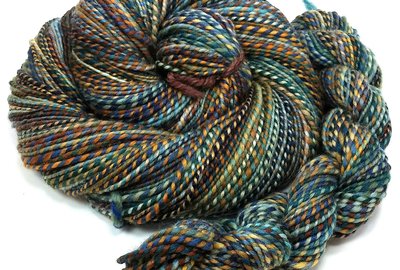
You can dye yarn before you weave or dye the finished piece, though dyeing before is generally easier to control. Protein fibers like wool and silk take natural dyes more readily than plant fibers like cotton and linen. If you're working with cotton, you'll need to treat it first with a mordant to help the color bind. Alum is the most common mordant and the safest for beginners.
Easy Dye Materials from the Kitchen
You don't need a specialty supplier to start. Onion skins, the papery outer layers, give warm golds and ambers, with red onion skins leaning more toward copper. Save them in a paper bag until you have a few cups' worth. Avocado pits and skins yield soft pinks and dusty rose, especially on wool. Black tea and coffee produce warm browns. Turmeric gives a bright yellow that fades in sunlight, so use it for pieces that won't hang in a window.
To dye, put your plant material in a pot, cover with water, and simmer for an hour. Strain out the solids, then add your pre-soaked, mordanted fiber. Keep the heat low, around a gentle steam, and let it sit for an hour or more. Stir gently and often so the color takes evenly. Let the fiber cool in the dye bath overnight for deeper color, then rinse in cool water until the water runs clear.
Keep a dedicated pot for dyeing. Once a pot has held dye, it shouldn't be used for food. Thrift stores are full of inexpensive stainless steel pots that work perfectly. Avoid aluminum and iron unless you want to experiment with color shifts; iron, in particular, will darken and sadden colors, which can be lovely but is hard to predict.
Using Naturally Dyed Yarn in Weaving
Naturally dyed yarns tend to be softer and more muted than synthetic ones, which makes them ideal for cozy home textiles. A naturally dyed wool woven into a small wall hanging or a set of coasters feels warm and grounded. Because the colors vary, plain weave shows them off best; complex patterns can get lost in the subtle shifts.
One practical note: natural dyes are light-sensitive and can fade over time. Rotate wall hangings occasionally, keep dyed textiles out of direct sun, and wash gently by hand with a pH-neutral soap. Handled with care, naturally dyed pieces age gracefully, softening rather than losing their character. That slow change is part of the charm.


Wicker And Wool
Handwoven gifts land best when they're small, useful, and suited to the person receiving them.