



Choosing the Right Yarn for Cozy Handwoven Projects
Materials & Yarn | October 1, 2026
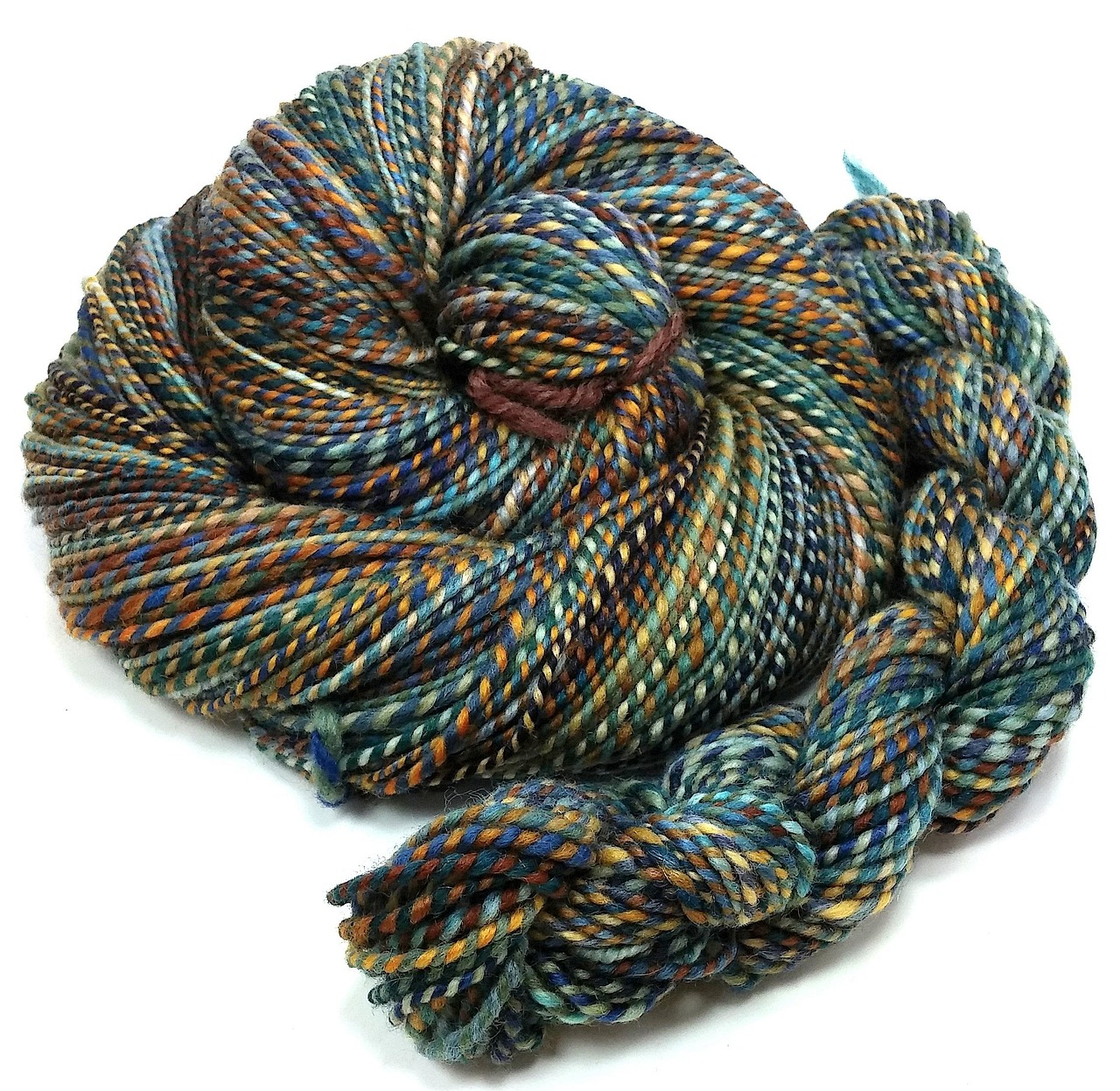
Walk into any yarn shop and the choices can feel overwhelming. Rows of color, fiber, and weight stretch in every direction, and if you're new to weaving, it's tempting to grab whatever's prettiest and hope for the best. But the yarn you choose shapes everything about your finished piece — its drape, its durability, and how it feels when someone brushes past it in the hallway. Learning to match yarn to project is one of the most useful skills you can build.
Start by thinking about where the piece will live and how it will be used. A wall hanging can handle chunkier, more sculptural yarns that wouldn't work well on a cushion. A table runner needs something smooth and sturdy enough to handle occasional washing. A throw blanket demands softness above all else. Once you know the job, the fiber almost picks itself.
Natural Fibers and What They Bring
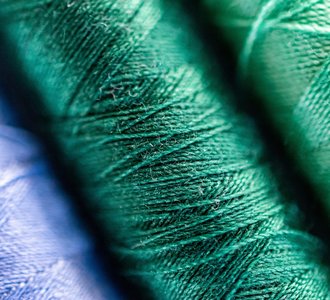
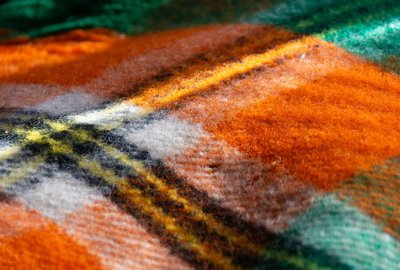
Wool is the classic choice for weaving because it has natural elasticity, holds texture beautifully, and comes in an enormous range of weights. Merino is soft enough for wearable pieces, while coarser wools like Romney or Corriedale are wonderful for rugs and wall hangings where durability matters more than next-to-skin softness. Cotton is another workhorse — it's strong, washes well, and gives a crisp, clean look that suits modern interiors. It doesn't have much stretch, so it's less forgiving for beginners still working on tension, but it's ideal for placemats and lightweight throws.
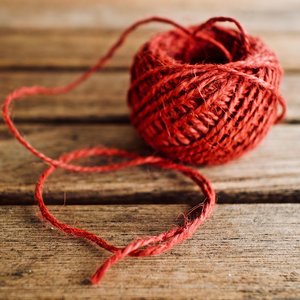
Linen brings a lovely rustic texture and gets softer with every wash, though it can be stiff to work with at first. Alpaca is luxuriously soft and warm, perfect for accent pieces, but it lacks the memory of wool, so it can sag over time if used for something structural. Silk adds shine and drape but is slippery and best used as an accent alongside other fibers rather than on its own.
Blends, Novelty Yarns, and Practical Tips
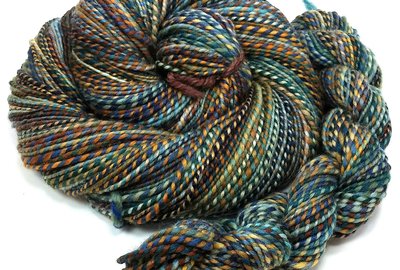
Blends are often the sweet spot. A wool-cotton blend gives you warmth with washability. Alpaca mixed with silk offers softness and strength. Many weavers keep a basket of single skeins in different fibers specifically for adding texture — a row of boucle, a stripe of ribbon yarn, a few tufts of roving. These small accents can transform a plain piece into something that invites touch.
A few practical notes before you commit. Buy more yarn than you think you need, especially if dye lots matter — running short mid-project is a special kind of frustration. Test unfamiliar yarns on a small sample first to see how they behave under tension. And don't overlook thrifted or recycled yarns; unraveling a chunky sweater can yield beautiful fiber at a fraction of the cost. The more you experiment, the more intuitive these choices become.


Wicker And Wool
Woven pieces can warm up even the most minimalist space — here's how to place them so they feel intentional, not cluttered.