


DIY Woven Coasters and Trivets for Beginners
DIY Projects | September 25, 2026

If you've been curious about weaving but aren't ready to commit to a full wall hanging, coasters and trivets are the perfect entry point. They're small enough to finish in an afternoon, forgiving enough that mistakes disappear into the texture, and useful enough that you'll actually want to keep them around. They also make wonderful gifts — there's something quietly thoughtful about handing someone a set of coasters you made with your own hands.
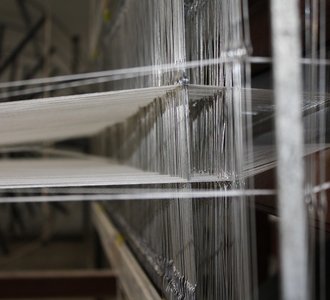
You don't need a fancy loom for these. A small frame loom works beautifully, but so does a piece of cardboard with notches cut along the top and bottom edges. Some weavers even use a picture frame with finishing nails hammered in at regular intervals. The point is simply to have something that holds warp threads under even tension while you work.
A Simple Coaster Project to Start With
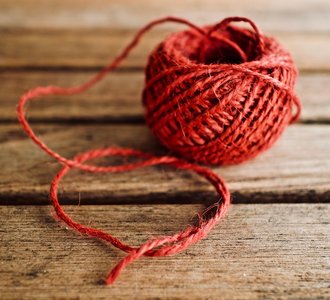
Warp your frame with cotton string, spacing threads about a quarter inch apart. For a coaster that's roughly four inches square, you'll want around sixteen warp threads. Choose a sturdy cotton or wool for your weft — something that can handle a hot mug without scorching or a cold glass without soaking through immediately. Cotton is a great all-purpose choice.
Begin with a few rows of plain weave to establish a firm base, then experiment. A stripe of contrasting color adds interest. A few rows of basket weave — passing the weft over two warp threads instead of one — creates a chunkier, more textural surface. Rya knots at the edges give a fringed look that's charming on a coffee table. Because coasters are small, you can try a new technique on each one and build a whole set that tells the story of your learning.
Finishing, Washing, and Scaling Up
When your coaster is the size you want, cut the warp threads from the frame and tie them off in pairs. For a tidy edge, weave the tails back into the body of the piece with a tapestry needle. If you want fringe, leave longer tails and trim them evenly once they're tied. A quick steam with an iron (hovering just above the surface, not pressing down) helps everything settle into place.
Trivets follow the same process, just larger — aim for eight to ten inches square and use thicker yarn or doubled strands for extra heat protection. Wash coasters and trivets by hand in cool water with a gentle soap, then lay them flat to dry. Once you've made a few, you'll start seeing woven possibilities everywhere: mug rugs, plant mats, drawer liners. Small projects have a way of becoming a habit.


Wicker And Wool
Handwoven pieces reward a little attention — here's how to wash, store, and protect them without losing their character.