



Beginner's Guide to Weaving Your First Wall Hanging
Weaving Tutorials | October 4, 2026

There's something deeply satisfying about creating texture with your own two hands. If you've been admiring woven wall hangings on Pinterest and wondering whether you could make one yourself, the answer is a resounding yes. Weaving is one of those wonderfully forgiving crafts where even beginner mistakes can end up looking intentional. All you need is a simple frame loom, some yarn, and a little patience.
Before you buy a single skein, take a moment to think about where your finished piece will live. A wall hanging above a reading chair calls for different colors than one brightening up a narrow hallway. Pull inspiration from the room itself — the wood tones, the textiles already on your sofa, the light that comes through the window. Your weaving will feel like it belongs when it echoes what's already there.
Setting Up Your Loom and First Rows
Most beginner looms come with warping thread and a basic instructions sheet, but here's the short version. Warp your loom by winding thread evenly around the frame, keeping the tension firm but not guitar-string tight. Too loose and your weaving sags; too tight and it's fiddly to pass the weft through. Once your warp is ready, you'll create a foundation by weaving a few rows of plain weave — over one warp thread, under the next — using a sturdy cotton or wool. This base gives your more decorative rows something to anchor into.
From there, you can start playing. Rya knots create fluffy fringe. Soumak stitches build braided-looking lines. Loops add dimension. The trick is to vary your textures without overcrowding the warp. Leave a little breathing room between techniques so each one can shine, and resist the urge to pack every row tight against the last. A wall hanging with a bit of negative space reads as more deliberate and modern than one that's packed to the edges.
Finishing and Hanging Your Piece
When you reach the top of your loom, it's time for the satisfying part: cutting it free. Tie off your warp threads in pairs with secure knots, then trim the ends to a length that feels balanced. If you want a fringe, leave longer tails and comb them out gently. For a cleaner edge, weave the tails back into the body of the piece with a tapestry needle.
Attaching your hanging to a dowel is simple. Fold the top warp threads over the dowel and knot them, or use a series of lark's head knots for a more decorative finish. Add a length of twine or leather cord to the ends of the dowel for hanging, and you're done. Step back, admire it, and then start planning the next one — because weaving has a way of pulling you back to the loom.


Wicker And Wool

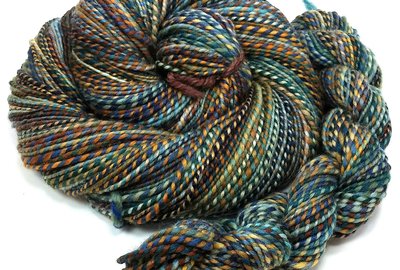
Not all yarn behaves the same on a loom — here's how to pick fibers that make your woven decor feel as good as it looks.