

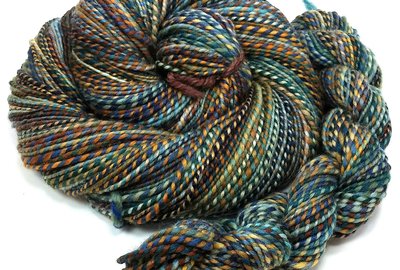


Caring for Handwoven Textiles So They Last for Years
Care & Maintenance | September 22, 2026
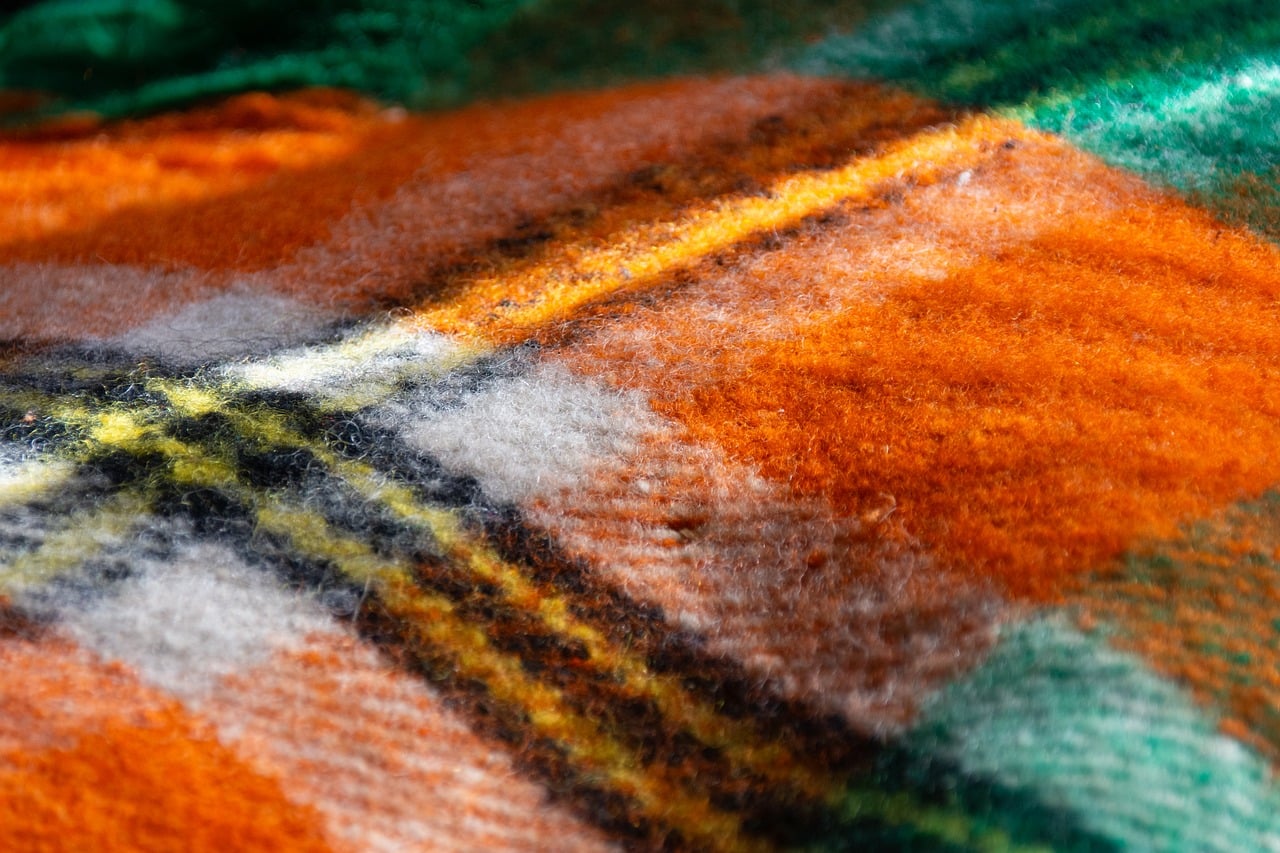
Handwoven textiles are an investment of time and care, whether you made them yourself or bought them from a weaver. Unlike mass-produced fabrics, they have small irregularities, natural fibers that shift over time, and a texture that develops character with use. With the right care, a well-made woven piece can last for decades — passed down, repaired, and loved. The routines aren't complicated, but they are specific.
The single most important habit is to know what your piece is made of. Wool, cotton, linen, alpaca, and silk each have different needs. Wool felts if agitated in hot water. Cotton can shrink in a hot dryer. Linen loves water but hates rough handling. Silk is delicate and prone to sun damage. Check the fiber content before you do anything, and when in doubt, err on the side of gentleness.
Washing and Drying Woven Pieces
Most handwoven home decor — wall hangings, table runners, decorative cushions — doesn't need frequent washing. A gentle shake outdoors and a soft brush will handle most dust. For pieces that do get washed, like throws, blankets, and placemats, hand washing is safest. Fill a tub with cool water and a small amount of gentle detergent, submerge the piece, and let it soak for fifteen to twenty minutes. Press the water through with your hands — never wring or twist, which can distort the weave.
Rinse in cool water until the suds are gone, then press the piece between two towels to remove excess moisture. Lay it flat to dry on a clean towel, reshaping it gently as it dries. Hanging a wet woven piece can stretch it out of shape, so flat drying is worth the patience. If you must machine wash a sturdy cotton piece, use a gentle cycle with cold water and a mesh bag, then lay flat to dry anyway.
Storing, Rotating, and Protecting
When a woven piece isn't in use, store it folded in a breathable cotton bag or pillowcase — not plastic, which traps moisture and can encourage mildew. Cedar blocks or lavender sachets help deter moths, especially for wool. Refold along different lines every few months so creases don't become permanent. For wall hangings, rotate them occasionally to prevent uneven sun fading, and keep them out of direct sunlight when possible.
Small repairs are worth doing early. A loose warp thread can be tied off. A pulled loop can be gently worked back in with a tapestry needle. A worn fringe can be trimmed and re-knotted. These little interventions keep small problems from becoming big ones. And if a piece eventually wears beyond repair, consider repurposing it — a faded blanket can become cushion covers, a worn runner can line a drawer. Woven textiles have long lives if we let them.


Wicker And Wool

Woven baskets are the hardest-working decor in a cozy home, moving effortlessly from holding blankets to standing alone as art.